-

💡 Did You Know?The Kushite Pharaoh Taharqa ruled all of Egypt and Nubia in the 7th century BCE — and is even mentioned in the Bible! Khartoum, the capital of Sudan, is an old settlement that resides alongside a meeting of the White Nile and the Blue Nile. The White Nile, known for its light-colored…
-

The polytheistic religion of ancient Egypt spanned millennia and varied in its social and political implications during that time. However, some basic ideas can be witnessed across the entire timeline. Take the reinforcement of religious doctrine through hierarchical class structures. The state religion associated pharaohs with the supreme deities, and the general populace considered him…
-
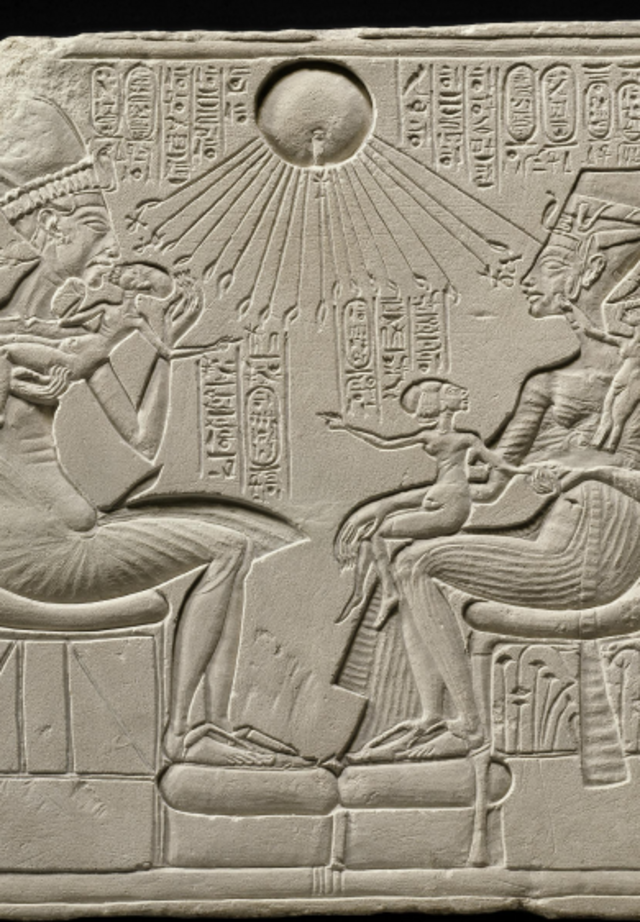
Imagine if ISIS suddenly became democratic. Or if the US became gun-free. Or if Italy shunned the Catholic Church and ransacked Vatican City. These possibilities seem farfetched and alien, yet there are some historical precedents. The ancient Egyptian pharaoh Akhenaten of the 18th Dynasty upended the foundations of Egyptian culture, religion, and arts. His successors…
-

How come a fairly sophisticated civilization like Egypt didn’t change its art for almost three millennia? Below you can see the Palette of Narmer and the frieze from the Precinct of Amun-Ra in the Karnak Temple Complex. Can you spot the difference? Art in ancient Egypt was pretty static for centuries. Think about it. It…
-

Introduction In the Apostolic Palace in Vatican City in Rome there is a painting that Raphael, one of the great masters of the Italian Renaissance, completed around 1511. It depicts many individuals in Classical Greek dress in an ancient agora or market. At the centre are two individuals who are the clear focus of the…
-

Renovatio Imperii Romanorum The Western Roman Empire fell in 476 CE; or rather it went out without a whimper when the teenage emperor, Romulus Augustulus, was deposed by a Germanic warlord named Odoacer who was already effectively in control of Italy. His deposition and the proclamation of a Germanic kingdom in Italy was more of…
-

Introduction There is little doubt that the modern world owes a great deal to ancient Greek society. If we wander around a city centre in almost every major city in the western world today, we will pass court houses and government buildings which were constructed using Greek architectural methods. Every schoolchild today still studies numerous…
-

The Birth of Civilization in the Far East It has been widely appreciated for centuries now that human civilization did not emerge from one single source. Instead there were numerous parts of the world where complex societies began to emerge gradually in the millennia following the end of the last ice age around 12,000 years…
-
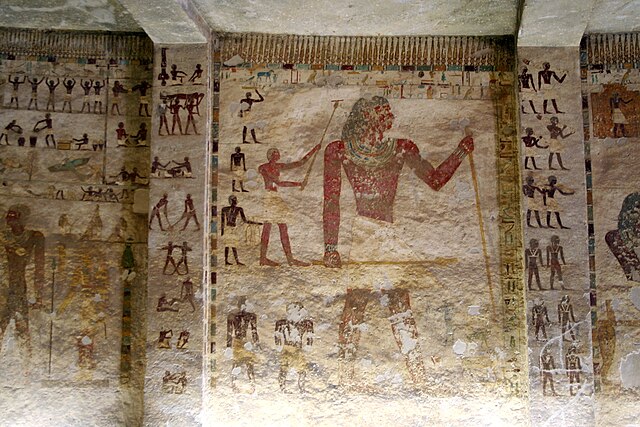
So you might have seen these huge wonders of the ancient world—they’re called the pyramids. Well, you and a million other people. How the pyramids were constructed is a puzzle that is bound to take you down a rabbit hole. Some people might know a little bit about Ramesses II, the pharaoh associated with Moses’…
-
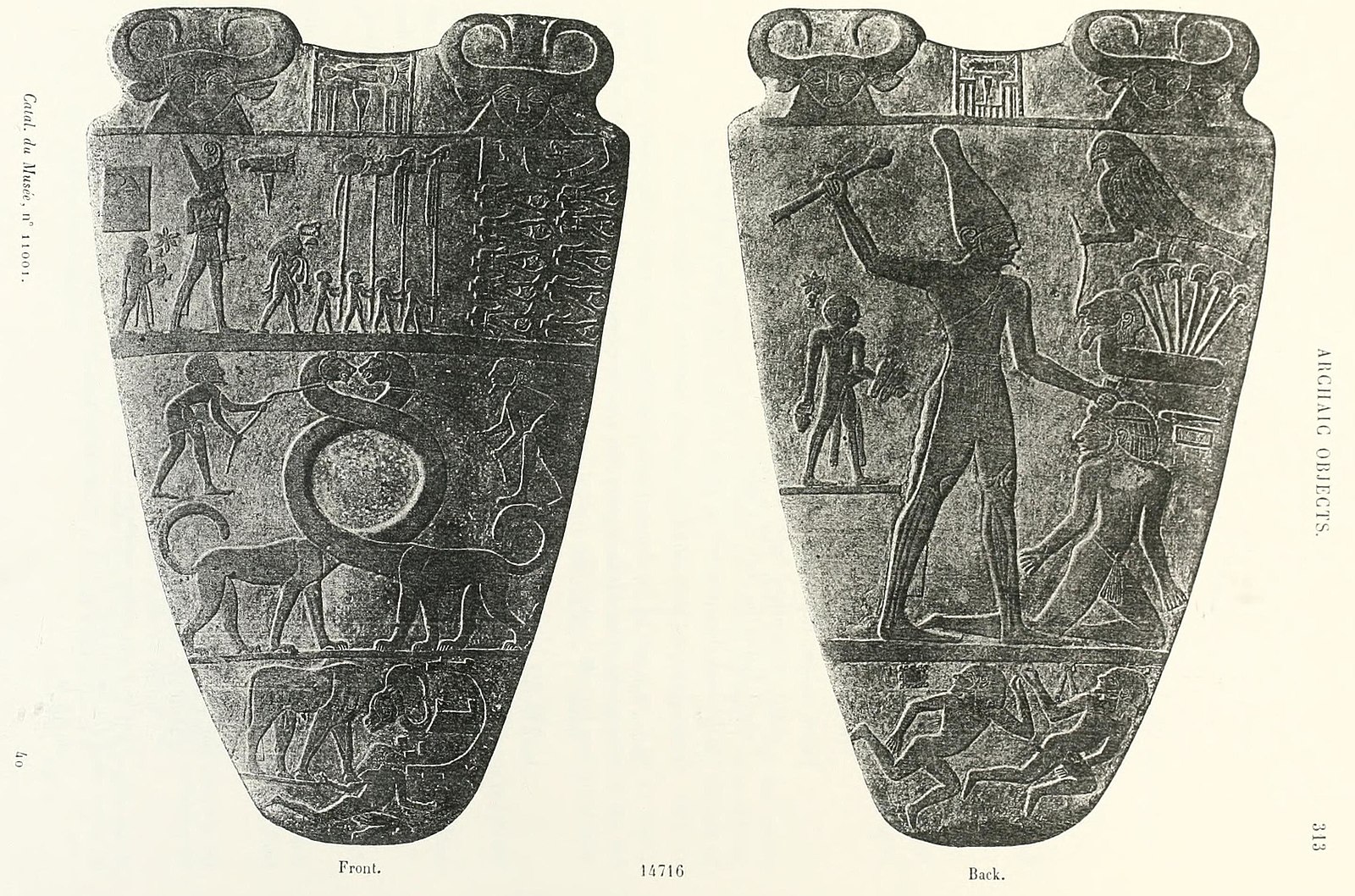
Introduction: A 3,000-Year Civilization At some stage in late August 30 BCE, Queen Cleopatra VII Thea Philopator, the ruler we know today simply as the Cleopatra, took her own life in the city of Alexandria in northern Egypt. She had learned that her husband, the Roman general, Mark Antony, had also killed himself not long…